Your Postpartum Recovery Isn't a Race: Why Starting Slow Matters
By Samira Moisio — Postpartum Doula, Yoga Teacher & Women's Health Practitioner
In a world filled with "bounce-back" stories and social media transformations, it can be easy for new mothers to feel pressure to return to exercise quickly after giving birth. But postpartum recovery is not a race. Every birth, every body, and every recovery journey is unique.
The weeks and months following birth are often referred to as the "fourth trimester" – a time when both mother and baby are adjusting to a completely new chapter of life. During this period, your body is still healing from pregnancy and birth, hormone levels are fluctuating, and sleep is often in short supply. Gentle movement can be incredibly beneficial, but the key is to start slowly and listen to your body.
Why Your Body Needs Time
Pregnancy places significant demands on the body. Your abdominal muscles stretch, your pelvic floor works harder than ever, and your joints and ligaments remain affected by pregnancy hormones long after birth.
Whether you had a vaginal birth or a caesarean birth, your body has experienced a major physical event. Recovery involves more than healing visible wounds. Your core, posture, breathing patterns, and nervous system all need time and support.
The Benefits of Gentle Movement
Starting with gentle movement can help:
- Improve circulation and reduce stiffness
- Support healthy posture
- Encourage relaxation and stress relief
- Reconnect you with your breath
- Begin rebuilding core awareness
- Support pelvic floor recovery
Rather than focusing on calorie burning or weight loss, postpartum movement focuses on restoring strength, mobility, and confidence from the inside out.
Listening to Your Body
One of the most valuable lessons gentle movement teaches is body awareness.
Some days you may feel energised and ready to move. Other days, your body may need rest. Both are valid. Recovery is rarely a straight line.
Signs you may need to slow down include:
- Increased bleeding after activity
- Pelvic heaviness or pressure
- Pain or discomfort
- Extreme fatigue
- Feeling overwhelmed or depleted
Honouring these signals is not weakness. It is wisdom.
Small Steps Create Lasting Strength
Many women worry that starting slowly means they will lose fitness. In reality, building a strong foundation often leads to better long-term outcomes.
By focusing on breath, posture, core awareness, pelvic floor health, and mindful movement first, you create the stability needed for future strength training, running, or more vigorous exercise.
Finding the Right Kind of Movement
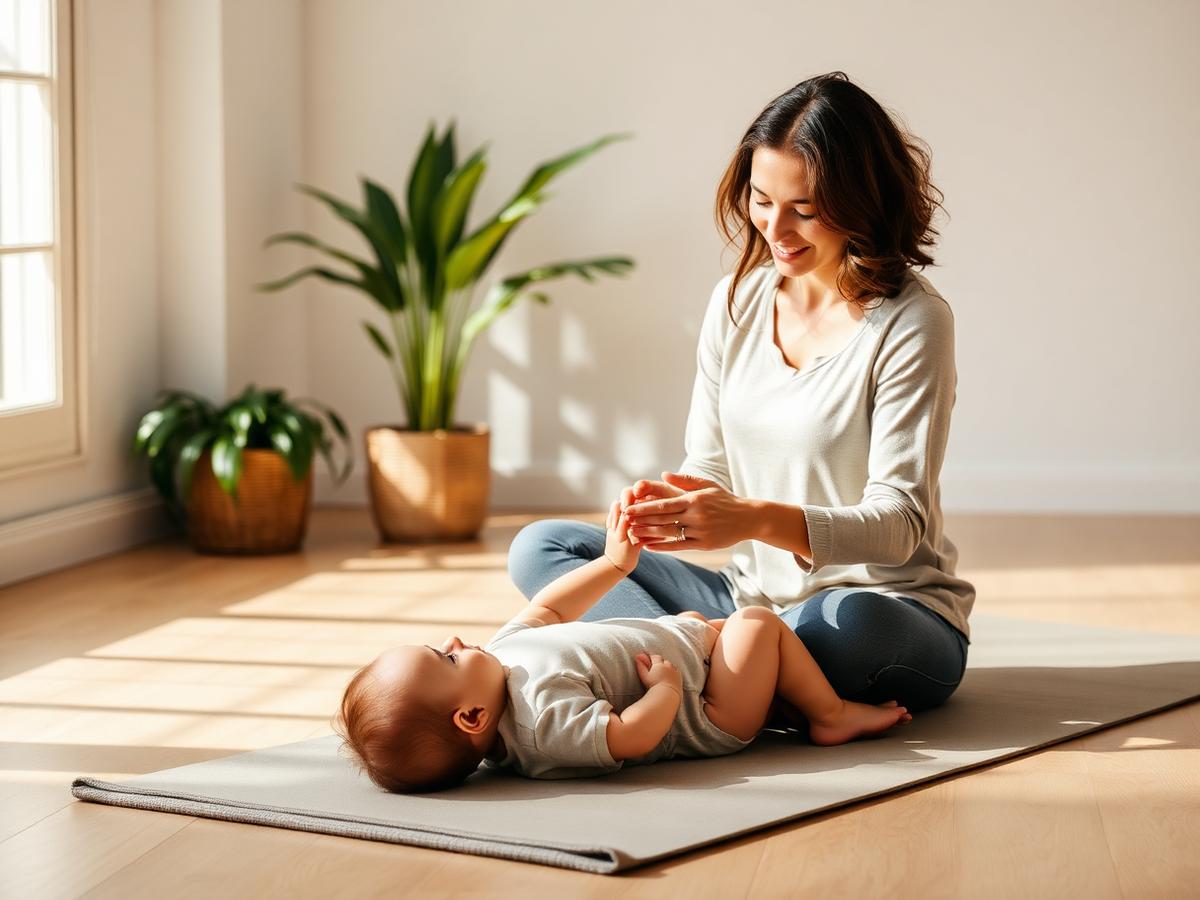
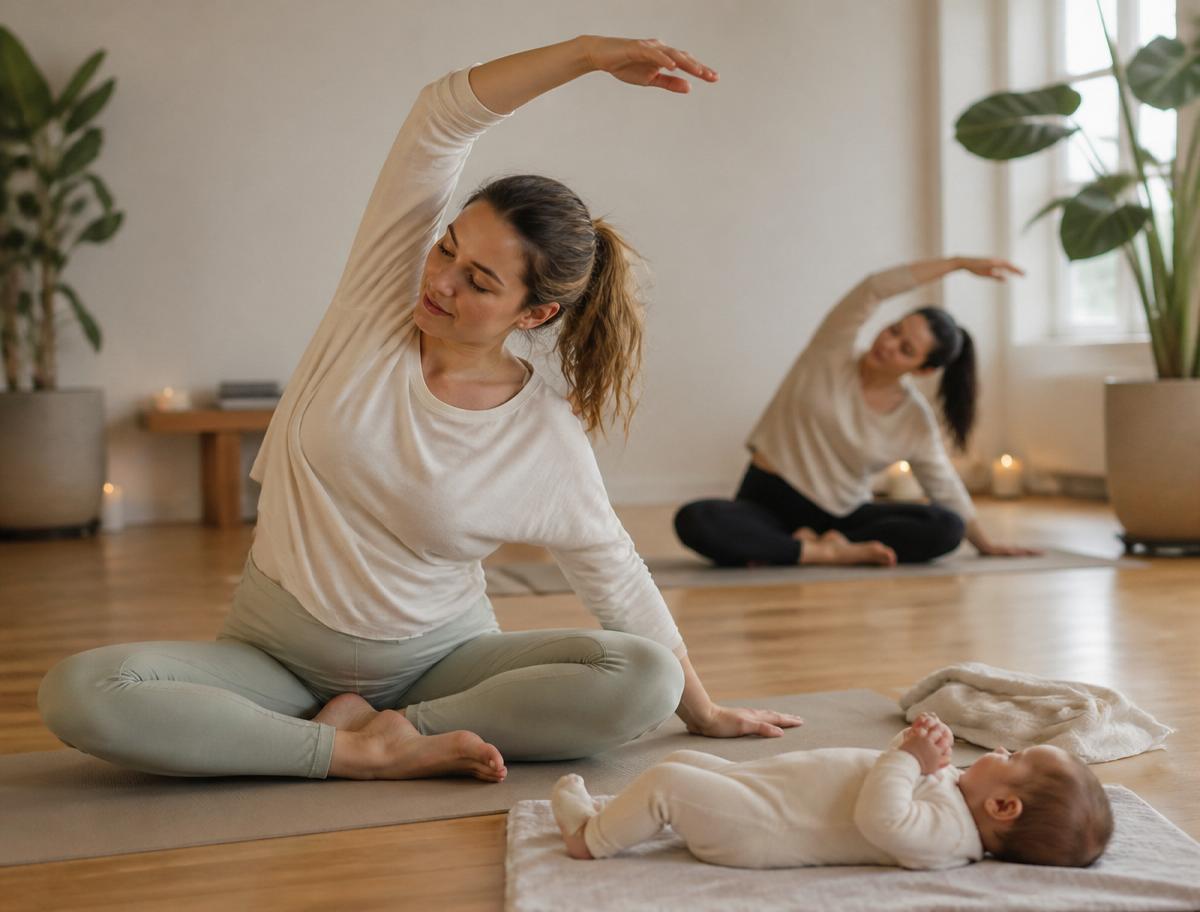
At Abrazo Studio, we offer a range of movement classes designed for pregnancy and early motherhood, including Mom & Baby GYROKINESIS®, Mom & Baby Barre, Mom & Baby Pilates, Mom & Baby Yoga, as well as, Prenatal Yoga, and Pregnancy Pilates. While each practice has its own approach, they all share the same goal: helping you move with greater comfort, confidence, and awareness during this unique stage of life.
Whether you're looking to reconnect with your body after birth or prepare for labour during pregnancy, choosing a supportive movement practice can make a meaningful difference to your physical and emotional wellbeing.
Giving Yourself Permission
As a new mother, it can feel strange to prioritise your own wellbeing. Yet taking time to care for yourself benefits both you and your baby.
Your postpartum recovery doesn't need to look like anyone else's. There is no finish line and no prize for rushing.
Be patient with your body. Celebrate small wins. Trust the process. Recovery is not about getting your old body back—it's about supporting the incredible body that carried, birthed, and now continues to care for your baby.
If you're looking for gentle movement in Helsinki, explore our movement classes for pregnancy and early motherhood and find the practice that feels right for you.
GYROKINESIS® is a registered trademark of GYROTONIC® Sales Corp and is used with their permission.
Written by Samira Moisio
Postpartum Doula, Yoga Teacher & Women's Health Practitioner